


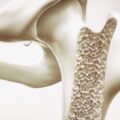
In an era of increasingly widespread concern for physical fitness, we often monitor parameters such as muscular strength or cardiovascular endurance, while skeletal health receives less attention. Yet bones and joints are the scaffolding of our bodies, and their efficiency affects our independence, mobility, and quality of life, particularly among women. We often focus on assessing aerobic capacity, lean mass, and fat mass, while skeletal strength and endurance receive little or no consideration. Thus, osteopenia, a mild reduction in bone density, and osteoporosis, a reduction in bone mineral density and structure, are two silent and asymptomatic diseases. Osteoarticular diseases often develop slowly and initially without obvious symptoms. For this reason, prevention, based on appropriate lifestyle choices and targeted physiological support, remains the most effective strategy for maintaining the functionality of the musculoskeletal system over time.
Bone tissue is a dynamic organ, subject to continuous processes of formation and resorption. Maintaining this balance requires an adequate intake of several key micronutrients, which act in a complementary manner in bone metabolism.
- Vitamin D. Vitamin D plays a central role in regulating the intestinal absorption of calcium and phosphorus, contributing to the maintenance of normal bone mineralization. It also plays a role in muscle function and balance control, which are important in preventing falls. Physiologically, approximately 80% of vitamin D is synthesized by the skin following exposure to sunlight, while the remainder comes from diet. The main dietary sources include fatty fish (such as mackerel, salmon, and sardines), eggs, milk, and dairy products. Daily requirements vary depending on age, lifestyle, and exposure to sunlight. In general, adults typically require between 600 and 800 international units (IU) per day, with potentially higher requirements during periods of life characterized by greater bone vulnerability, such as menopause.
- Calcium is the main mineral component of bone and is essential for the mechanical strength of the skeleton. In addition to its structural function, it plays a role in muscle contraction, nerve transmission, and blood clotting. The average adult requirement is generally between 1000 mg per day in adults and 1200 mg per day in postmenopausal women and older adults. A balanced diet can, in most cases, cover the daily requirement. The most important dietary sources are: milk and yogurt, cheese, green leafy vegetables, legumes, nuts, and seeds.
- Vitamin K. Vitamin K contributes to the synthesis of proteins involved in bone mineralization and the regulation of calcium metabolism. Its presence promotes the proper deposition of the mineral in bone tissue and supports the stability of the bone matrix.
- Magnesium and phosphorus. Other minerals also contribute to the maintenance of osteoarticular health. Magnesium contributes to bone formation and the regulation of muscle activity, while phosphorus is an integral part of the bone mineral matrix. Both are generally present in sufficient quantities in a varied diet, which includes whole grains, legumes, nuts and animal products.
The prevention of osteoarticular diseases is based on three main elements:
- Regular physical activity, particularly exercises that stimulate bone loading
- Moderate but constant exposure to natural light
- A balanced diet adequate for nutritional needs
The role of spa therapies in osteoarticular support
Alongside basic preventive measures, spa therapies represent a consolidated complementary intervention in the management of osteoarticular diseases and the promotion of musculoskeletal well-being. The therapeutic use of thermal water and mature mud produces documented effects on pain, stiffness, and joint function. In the context of women’s prevention, periodic spa treatments can help maintain joint function and manage chronic conditions related to age or a sedentary lifestyle. Activities such as brisk walking, gentle gymnastics, swimming, or targeted exercises help maintain muscle strength and contribute to joint stability. Likewise, spending time outdoors and following a varied and balanced diet helps support natural tissue renewal processes.
The main benefits observed include:
- Reduction of joint and muscle pain
- Improved tissue elasticity
- Increased joint mobility
- Stimulation of local circulation
- Support for functional rehabilitation programs
Protecting osteoarticular health requires a continuous, multidimensional approach. Adequate nutrition, physical activity, monitoring risk factors, and targeted use of thermal resources are complementary elements of an effective preventive strategy. An integrated approach promotes musculoskeletal health. Prevention is a concrete tool, especially for women, who are more susceptible to changes in bone structure over the course of their lives. Preventing osteoarticular diseases is not a one-time intervention, but a process that develops over time. Regularly integrating thermal treatments into your lifestyle can be a strategic choice for maintaining elasticity, strength, and mobility, reducing the risk of functional limitations. Caring for your bones and joints means investing in freedom of movement and future quality of life. In this sense, thermal therapies offer a natural, non-invasive approach focused on overall well-being. For women, increasingly focused on long-term preventive health, thermal treatments today represent a precious resource, balancing nature and science at the service of daily well-being.





Leave a Reply